

Partner: GCS
Since the beginning of the COVID-19 pandemic, retailers have found themselves in a continuous state of disruption, having to increase productivity for smaller margins as consumer behaviour continues to shift towards convenience.
South Africa has seen its fair share of retailers entering, facing financial distress and then eventual liquidation. Major casualties include stationary giant CNA and other retailers such Cross Trainer and the popular Westpack.
This disruption is not limited to South Africa; US retail giants are increasingly filing for Chapter 11 as the US retail market faces significant disruption.
Bed, Bath and Beyond
An article on the knowledge.wharton.upenn.edu website points out that, after several years of poor performance and skyrocketing debt, Bed Bath & Beyond has filed for Chapter 11 bankruptcy and will close its remaining 360 stores and 120 Buy Buy Baby locations.
There are a few things that predicted the beginning of the end. The growth in e-commerce and Amazon hurt the core concept. Category killers were built on the idea of large assortments at good prices, but e-commerce websites typically had larger assortments and better prices.
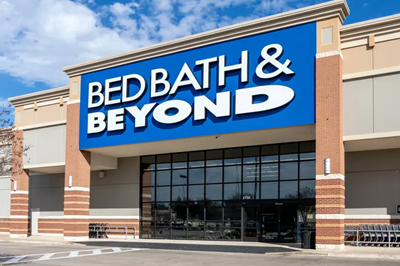
Image By: Supplied
The article adds that their whole core concept of ‘killing a category’ with a magical combination of more choice and lower price was usurped by e-commerce. Walmart and Target were much faster in recognising the importance of e-commerce, and both retailers invested in omnichannel strategies that built on their store advantages and capitalised on the convenience of e-commerce shopping.”
Bed Bath & Beyond was unfashionably late to the e-commerce gala and didn’t adapt to changing consumer behaviours, but the company also made monumental financial mistakes, Kahn said. Since 2004, it has spent $11.8 billion to buy back its own shares, an amount that eclipses the $5.2 billion in debt reported in its last SEC filing. The company began borrowing money in 2014 to repurchase shares and continued doing so through a dismal 2022 holiday season. In February, a $1 billion hedge fund deal that was a last-ditch effort to stave off bankruptcy failed to materialise.
The article points out that other mistakes were made, too. In 2019, the company hired Target chief merchandising officer Mark Tritton as its new chief executive. In order to increase the retailer’s margins, Tritton began replacing higher-priced national brands with private-label brands, just like he did at Target. Kahn said that while that strategy was a winner for Target, it flopped at Bed Bath & Beyond.
Walgreens is in trouble to
An article on delewareonline.com points out that Walgreens plans to close around 1,200 stores across the United States, including 500 in fiscal year 2025, the company announced Tuesday in an earnings report. The company had confirmed plans in June to close unprofitable stores, but had not disclosed how many locations would be affected. Walgreens is part of a wave of pharmacy closures across the United States, as both independent and chain pharmacies struggle to earn profits. CVS and Rite Aid have each also announced hundreds of closures nationwide. The new figures mean that one in seven Walgreens locations are expected to close nationwide, as part of a belt-tightening effort by new CEO Tim Wentworth.
The announcement comes as drug middlemen called pharmacy benefit managers come under renewed scrutiny, in part for reducing the profitability of the pharmacy business by exercising power over drug pricing and reimbursements. In September, the Federal Trade Commission filed a price fixing lawsuit against the nation’s largest pharmacy benefit managers over insulin.

Image By: Supplied
The article adds that the announcement comes as drug middlemen called pharmacy benefit managers come under renewed scrutiny, in part for reducing the profitability of the pharmacy business by exercising power over drug pricing and reimbursements. In September, the Federal Trade Commission filed a price fixing lawsuit against the nation’s largest pharmacy benefit managers over insulin.
Shifting dynamics
A common thread in these companies’ financial distress is the role of technology. Technology not only allows for convenient, remote shopping, but it also allows retailers to carry greater volumes of stock and to price their products appropriately, given their significantly reduced overheads.
Early adopters of technology will reap the benefits of the shifting dynamics found in the retail space. Those who are shifting towards technology now may have to rely on lazy balance sheets as a coping mechanism to address the disruption that they face.
Additionally, we are seeing creditors favour informal workouts as a tool to lead companies out of their distress and maintain sustainability. At the end of the day, a financially stable company will always offer a better return than liquidation—short-term pain for long-term gain.


