

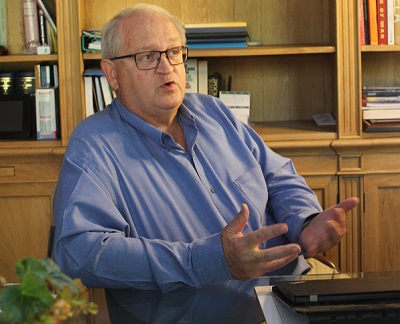
Director: ReVive Advisory & Turnaround
In my analysis of informal workouts and business rescue, some of the usual suspects made their appearance: The role of directors, solvency and liquidity, the importance of communication, and fair and equitable treatment of stakeholders.
Over the December break, PwC made the Steinhoff investigation report available to various media outlets. The media have dissected many of the key issues in the report. Some of the findings would leave even a hardened sceptic gobsmacked. Some of the real doyens of the entrepreneurial class behaved with reckless disregard for common sense; in doing so, they may have opened themselves to uncomfortable scrutiny about some of the transactions.
It prompted me to look at the behaviours and attitudes we should look for in Boards charged with Governance.
Due diligence is key
Always do the due diligence warranted by the size of the transaction. That requires diligent oversight of the buyer and seller. Both parties should understand the risks and rewards of the transactions. Sometimes, if the price is too good to be true, it invariably is. The adage that profit is made when you buy, not sell, would have served the directors well.
Act with independent scepticism and professionalism when reviewing the company’s performance, including the forward earnings and cash flow forecasts. The Steinhoff deals were designed to drive the earnings and not the cash flow of the growing Group. Chief Financial Officers should review inter-party transactions and management fees with particular scepticism if the lesson of Steinhoff is to have any impact on overall company governance.

Image By: Canva
Diligence, diligence, diligence
The Board should prioritise preparation for meetings, the reading of Board documents, and written enquiries requiring written responses in significant transactions; more specifically, Chief Operating Officers or Chief Executive Officers who are tasked with driving strategic decisions must be subject to rigorous oversight.
When looking at meeting transcripts, the meeting minutes must accurately reflect the discussion and motivation of the decisions taken by Boards. There should be no excuse for oversight in this department, given the technology available to turn any smart device into a voice recorder. Additionally, all virtual meeting platforms have a function to record the meeting. Some of the Steinhoff transactions seem to have happened at the last minute and did not allow for proper review.
Adopt a common-sense approach to issues. The least complicated explanation is likely the true one. If it looks too good to be true, it probably is. Steinhoff is littered with mismatched timing across multiple jurisdictions adopting different accounting standards and, more importantly, other rules in recognising revenue and accruing for costs.
A strong audit committee with a solid financial understanding of corporate finance and acquisitions is needed for better Governance. This should have been in place across the major companies in the Group with proper consideration at each level of the consolidated entity. Reversing related party transactions has led to a very different view of financial performance.
A diligent review of the experts providing the guidance is necessary. Who has signed off on the deal and backed the transaction with their own money? It turns out, in hindsight, that Mr. Jooste was not the brilliant accountant and businessman he had claimed. He was a fraudster with gangster tendencies.
Evasive action
If a business leader who has impeccable commercial judgment and drive decides not to participate in the transaction, sell! The fact that Mr Basson chose to leave the Group rather than proceed with the transaction should have caused the Board to stop and smell the coffee.
When considering the turnaround options that the company faces, the attitude of hard scepticism and detailed interrogation of the plan will serve directors well. When the proverbial hits the fan, directors believe all they need to do is resign, and the issue ends there. In Steinhoff’s case, that turned out to be like the vehicle’s driver running away from the accident scene. Some deal navigators and directors have some uncomfortable questions to deal with.
You approved what? What were you thinking? The fires were already burning! No doubt the country’s skilled journalists are having a field day unpacking the report, and a few litigious souls may be relooking at the outcomes they were forced to accept without all the information they may have required.